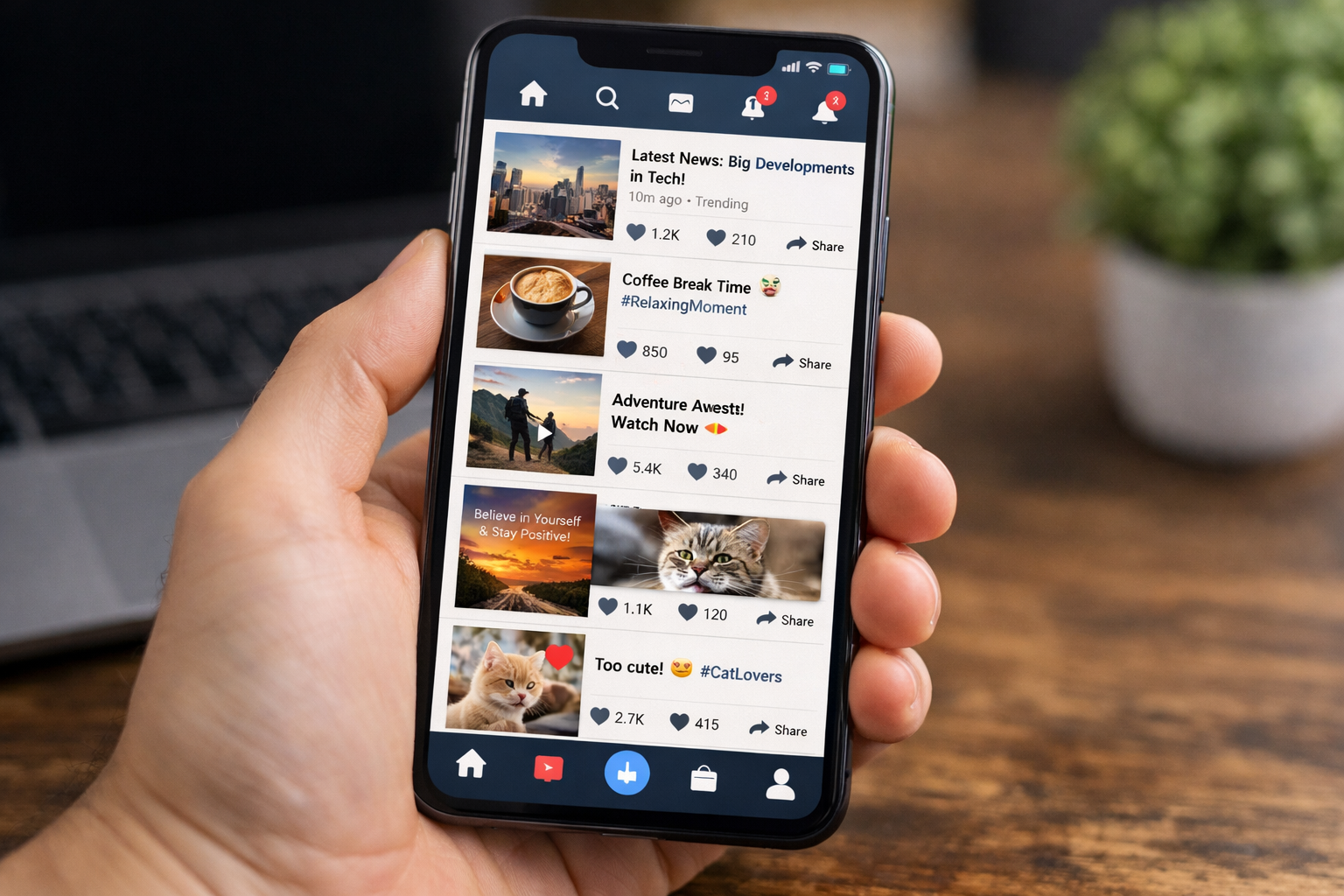
In the newly developed digital age, social media sites have become a need for communication, information sharing, and entertainment. Users are so dependent on these sites during the day, whether they are updating or scrolling, before they go to sleep. The core component in this experience is a potent engine, which is social media algorithms, that dictates what appears on the screen of the individual user.
These algorithms are meant to study the behavior of users and provide information that is relevant to personal preferences. Although this makes the process of consuming information more convenient and enjoyable, it also has a disturbing impact on the consumption habits of users and their perception of the surrounding world.
Social Media Understanding Algorithms.
Social media algorithms are sophisticated systems that work on data analytics and machine learning. They track user activity, such as likes, comments, shares, the search history, and even time spent on particular posts. Based on this information, algorithms prioritize and rank the content that has the highest chances of gaining attention.
The main aim of such systems is to hold the users as long as possible. As a result of continuous optimization of content suggestions, platforms enable delivering a personalized experience and make it feel relevant and engaging. Nevertheless, this customization has its positive and negative effects.
The Personalization Impact on the Users.
The development of a personalized content environment is one of the most apparent effects of the social media algorithms. People will be more likely to view posts, videos, and updates that suit their interests, which makes the experience more pleasant and productive.
Nonetheless, with time, there is a risk that this individualization inhibits the ability to be exposed to multiple opinions. Since algorithms will continue to give precedence to the content that is well known, users might soon be inside filter bubbles, where they have to face opposite opinions and new perspectives on things very seldom. This is able to affect opinions, cause a lack of critical thought, and lead to a biased interpretation of larger problems.
Major Algorithms Influencing the Consumption of Daily Content.
- More time on screen as a result of constant and captivating content suggestions.
- Habitual checking behavior developed during various periods of the day.
- Enforcement of personal interests and already committed categories of content.
- Emotional appeal by promoting very entertaining or sensational posts.
- Less exposure to different opinions results in fewer perspectives.
- Increasing reliance on social media as a source of information and news.
Content Creators and Businesses Impact.
Algorithms are significant in deciding the content that should be seen by more people. This will require content creators and businesses to change their approach to match the algorithmic tastes. The content should be interesting, relevant, and maximized to facilitate engagement.
It has brought about the emergence of short-form videos, interactive posts, and catchy headlines. Although such a set of strategies may raise the visibility, they also put stress on the need to focus more on the interactions rather than on the content. Due to this, creators might prioritize what a good performer is over what has actual value.
Furthermore, organic reach has become more difficult due to the competitive nature of algorithm-driven platforms. The use of paid promotions has become a necessity for many businesses so that their content is visible, which also reflects the impact of the algorithms on digital marketing activities.
Psychological and Behavioral Effects.
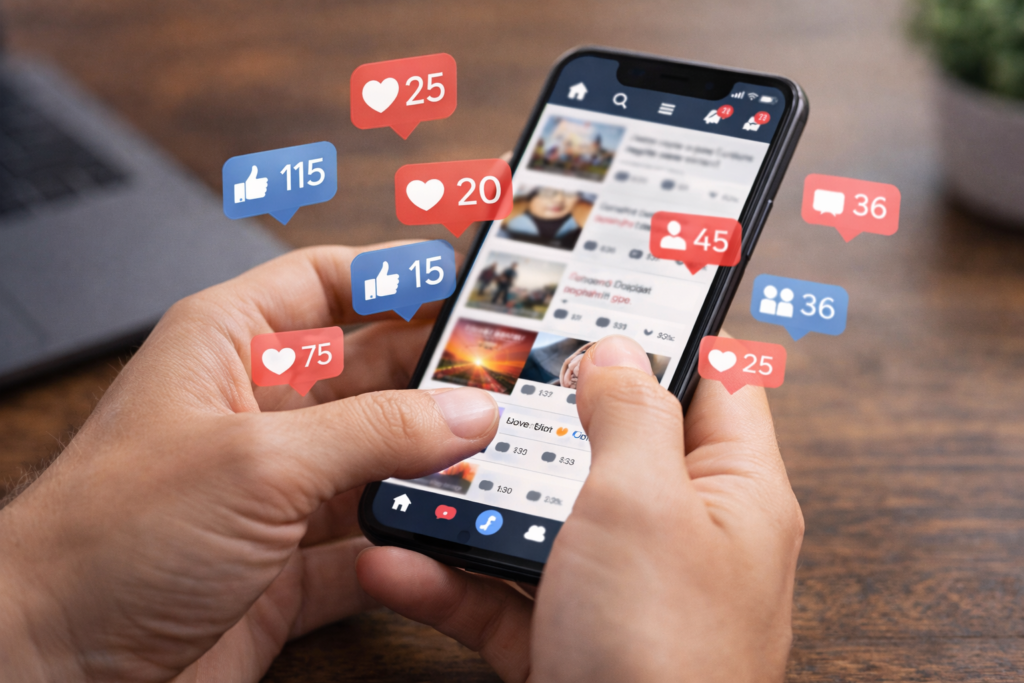
Social media algorithms have not only effects on the content that people consume but also on user behavior and mental health. Emotions, perceptions of self, and decision-making can be affected by continuous exposure to received content.
As an example, users can be afraid of not living a dreamy life when they see overly edited lifestyles. On the same note, repetitive exposure to emotion-instigating material can enhance stress, anxiety, or excitement. These impacts may influence everyday lives, concentration, and general online behaviors.
Take Back Content Consumption.
Algorithms are a powerful force, but it is also true that users can take active measures to control their online experiences. The awareness of the work of algorithms is the initial step toward informed decision-making.
The users have the ability to customize their feeds through the addition of a broader collection of accounts, consumption of different forms of content, and utilization of the platform features to block or filter unwanted posts. It can also be useful to set time frames and use mindfulness to limit dependency and develop healthier consumption behavior.
The Push of Transparency of Algorithms.
The demand to be more transparent and accountable is on the increase as more people begin to understand the impact of algorithms. Consumers, policymakers, and lobby groups are demanding more explanations about how information is edited and the utilization of data.
Increased transparency will benefit users by allowing them to make informed choices and will push a platform to do what is more ethical. This will involve solving problems like misinformation, data privacy, and possible effects on mental health.
Conclusion.
The algorithm of social media has changed the manner in which people engage with content, whether by developing habits and preferences or even perceptions daily. Although they provide individual and interactive experiences, they also have issues with diversity of information, psychological health, and digital addiction. The users can find a balance between convenience and control by being aware of their impact and adapting mindful practices to their use so that they can have a healthier and more informed digital life.
Frequently Asked Questions (FAQs).
1. Why does the algorithm of social media pick my posts?
They study your interactions, likes, and patterns of activities so that they can provide you with content that is most relevant and interesting to you.
2. Is it possible that algorithms will influence my life?
Yes, they can determine the frequency of app usage, the duration of staying online, and the kind of information you focus on.
3. Why do I get to see similar posts several times?
This is because algorithms will support what you have already done by displaying content that is similar to what you have already consumed.
4. Can one keep off the influence of algorithms?
It is hard to avoid it entirely, but you can minimize its effects by controlling how you interact with it and by diversifying the sources of the material that you consume.
5. Are social media algorithms good or bad?
These have the advantage of being useful in personalization and convenience; however, overindulgence may result in narrow thoughts and dependence on the screens.